
Buying a hotel in Toronto.
A practical walkthrough for buyers acquiring a hotel, motel, or boutique property in Toronto and the GTA: deal sourcing, the LOI, due diligence, franchise approval, going-concern appraisal, equity requirements, and the path to closing.
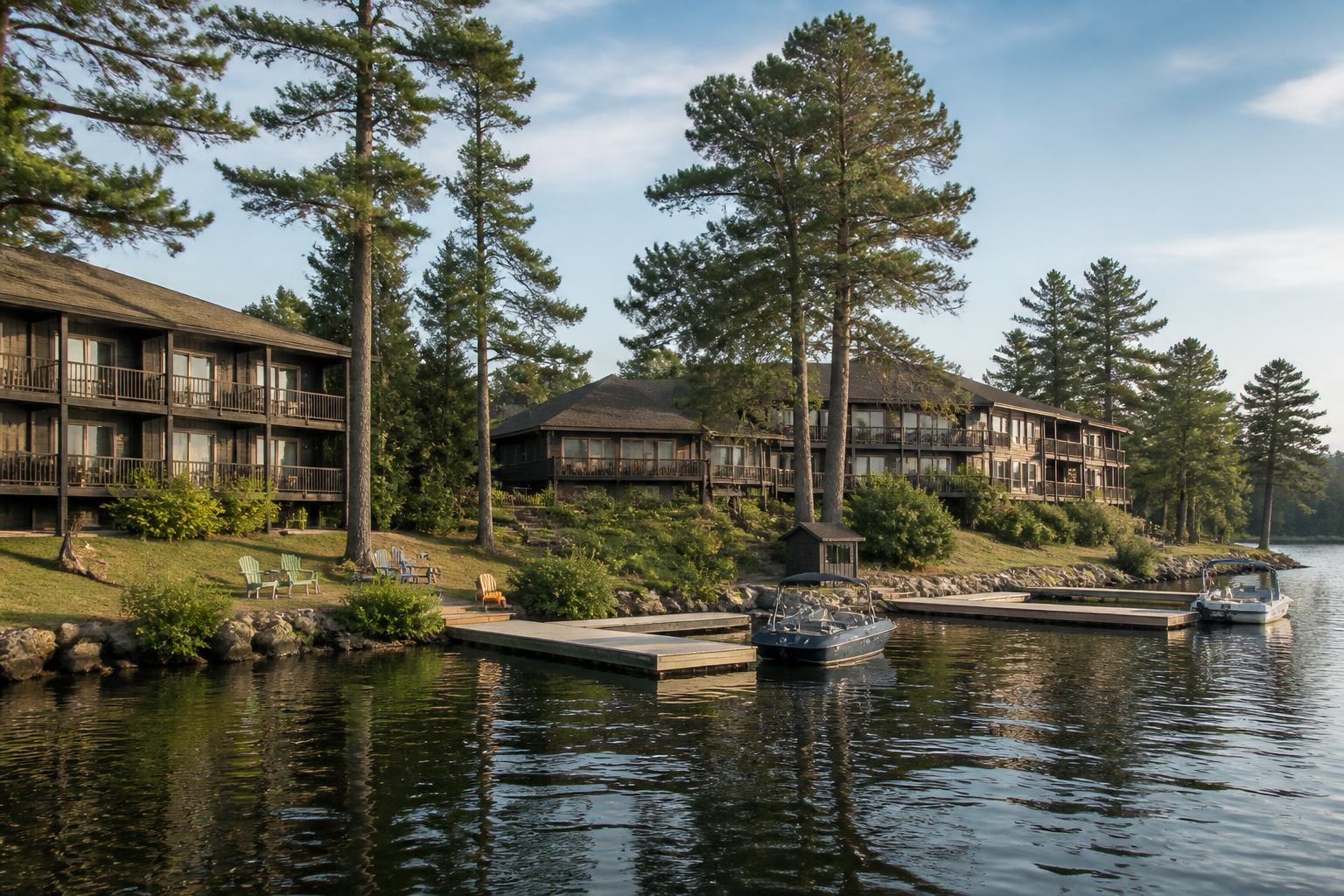
How much equity does a hotel purchase actually need?
Conventional institutional lenders typically finance 50%-65% of the appraised going-concern value of a hotel, occasionally stretching to 70%-75% on strong, well-flagged assets with a long remaining franchise term and stable operating history. That leaves 25%-50% of the purchase price, plus closing costs, PIP reserves, and working capital, to come from the buyer's equity.
Unflagged or newer-operating-history properties are financed more conservatively and are more often placed with secondary institutional or private lenders rather than major bank hotel desks. All financing is subject to lender approval, appraisal, and qualification of both the property and the operator.
Equity / down payment
25%-50% of purchase price depending on flag and leverage
Going-concern appraisal
Required by virtually all institutional hotel lenders
PIP reserve or facility
Set by the franchisor's property improvement plan, if flagged
FF&E reserve
Typically 3%-5% of gross revenue, ongoing
Legal fees & disbursements
Higher than a residential deal given franchise and management agreements
Working capital / cash reserve
Cushion for the transition and seasonal occupancy swings
Your path from sourcing the deal to closing.
1. Source the deal and confirm the basics
Whether the listing comes from a hotel brokerage, a franchisor's referral list, or an off-market approach, confirm the flag status, franchise agreement term remaining, room count, and trailing three years of financial statements before you go further.
2. Submit a letter of intent (LOI)
The LOI sets price, deposit, due diligence period, financing condition, and closing timeline. We help structure the financing condition realistically - long enough to complete a going-concern appraisal and get a lender term sheet, without losing the deal to a competing buyer.
3. Run due diligence on the numbers, not just the building
Beyond a physical inspection, review STR/CoStar competitive-set reports, RevPAR and ADR trends, occupancy by month, the FF&E reserve history (typically 3%-5% of revenue), management or franchise agreements, and any deferred maintenance or PIP obligations attached to the flag.
4. Get franchisor approval underway early
If the hotel is flagged, the brand's approval process - including your qualification as an owner or operator and any required PIP - runs on its own timeline and can take several weeks. Starting it in parallel with financing, rather than after, keeps the deal on schedule.
5. Order the going-concern appraisal and finalize lender terms
The lender orders (or accepts) a going-concern appraisal that separates real estate, FF&E, and business enterprise value. DSCR is tested at 1.25x-1.40x minimum against normalized NOI, and the appraisal and lender's underwriting together set your final loan amount, rate, and term.
6. Close and fund working capital
Beyond the purchase price, budget for a starting FF&E reserve, an operating cash cushion, transition costs if management or branding is changing, and legal and lender fees. We stay engaged through funding to make sure nothing stalls at the finish line.
The two things that make hotel deals different.
A residential or standard commercial purchase does not have a franchisor to satisfy. A flagged hotel does: the brand must approve the buyer, and often requires a property improvement plan (PIP) as a condition of transferring or renewing the license. Getting franchisor approval moving early, in parallel with financing, is the single biggest driver of whether a hotel deal closes on schedule.
The second difference is the going-concern appraisal. Because a hotel's value comes from the operating business as much as the real estate, appraisers split value into real estate, FF&E, and business enterprise value. Lenders size the loan and set DSCR covenants (generally 1.25x-1.40x minimum) off this appraisal, not off comparable sales alone.
Have this ready before you shop lenders
- Three years of trailing hotel financial statements and STR/competitive-set reports
- Franchise agreement and any PIP correspondence, if flagged
- Management agreement, if third-party managed
- Rent roll for any F&B or retail tenants
- Capital expenditure and deferred maintenance history
- Personal net worth statement and hospitality experience summary for the sponsor group
Hotel purchase questions.
- How much equity do I need to buy a hotel in Toronto?
- Conventional institutional lenders generally finance 50%-65% of the going-concern value, up to roughly 70%-75% on strong flagged assets with a long franchise term remaining, which means 25%-50% of the purchase price plus closing costs and working capital typically comes from the buyer.
- What is a going-concern appraisal and why does it matter?
- A going-concern appraisal values the hotel as an operating business - real estate, furniture, fixtures and equipment (FF&E), and the business enterprise value tied to the brand and management - rather than the real estate alone. Lenders size hotel loans off this figure, and it is the standard appraisal approach for operating hotels.
- Do I need hospitality experience to buy a hotel?
- Not always, but lenders want confidence the property will be well run. First-time hotel buyers often bring on an experienced third-party management company or a qualified operating partner, which strengthens the file materially.
- How long does it take to close on a Toronto hotel purchase?
- Plan for 60 to 120 days from signed agreement to closing, driven mainly by the going-concern appraisal, franchisor approval if the property is flagged, and lender due diligence on trailing financials. Unflagged, more straightforward deals can close faster.
- What is franchisor approval and how does it affect financing?
- If the hotel carries or will carry a brand flag, the franchisor must approve the new owner and often requires a property improvement plan (PIP) as a condition of the license transfer. Lenders want the PIP scope and cost known before closing so it can be financed or reserved for upfront.
- Can I buy a hotel with less than three years of operating history?
- It is harder. Most conventional lenders want two to three years of stabilized operating history and a going-concern appraisal built on that track record. Newer or repositioned properties are more often financed by secondary institutional or private lenders at more conservative leverage.
Helpful for hotel buyers
Valuation, commercial market data, and relocation logistics - all part of acquiring a hotel in Toronto.
- Toronto home valuation serviceFree property valuations for Toronto and GTA homeowners - useful before a refinance, equity take-out, or renewal so you know the value your lender will be working from.
- Toronto commercial real estate insightsMarket coverage on GTA multi-residential, retail, office, and industrial properties - a good starting point before arranging commercial mortgage financing.
- Toronto moversResidential and commercial movers across Toronto and the GTA for the closing-day side of a purchase once your mortgage funds.